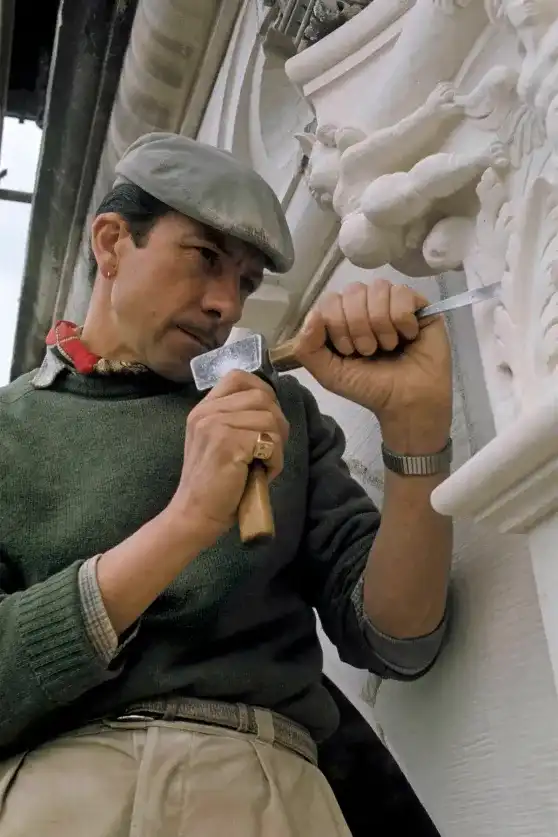
The sculptural work of Louis Lepicard (1928-2004), says Normand l'Ami des Arts: an exceptional companion heritage
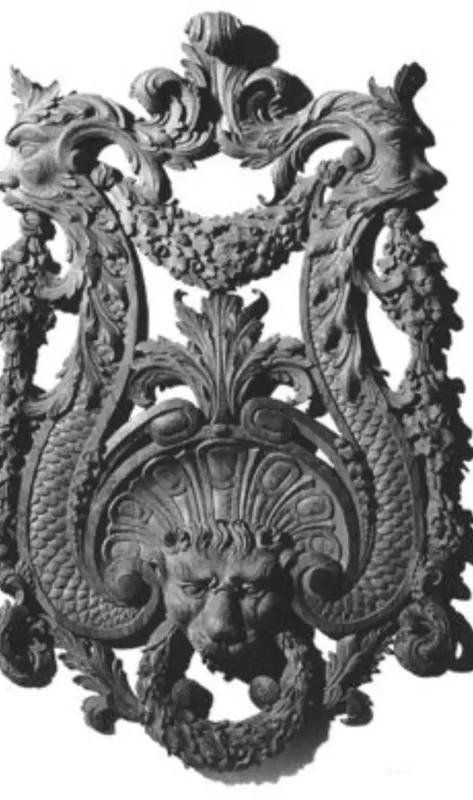
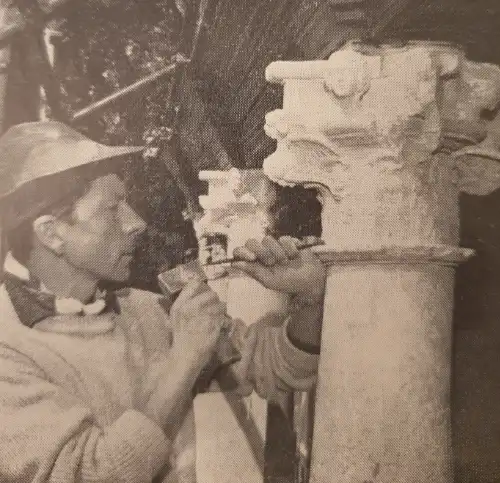
Why the artistic heritage of this sculptor's Companion inspires contemporary crafts?
Normand the Friend of the Arts was much more than a virtuoso sculptor. In fact, this Companion of the United Duties was also a talented draftsman and watercolourist, as his illustrations for the book show. « Manor houses of the Pays de Caux » published in 1993. His expertise in artistic styles and his in-depth knowledge of traditional architecture made him an exceptional guide during the visits to monuments he was passionately commenting on.
Its radiation extended beyond the companion circle. As a result, his skills led him to be referred to as a sculptor for historical monuments in 1965. His contribution to the Palace of Versailles in 1973, where he worked on the woodwork of the porcelain salon, illustrates the recognition of his talent at the national level.
Normand's influence is perpetuated through the Companions he has trained and inspired. Among them, Pierre Deschamps, received under the name Normand le Désir de Bien Faire, continues this tradition of excellence. This transmission of know-how, the foundation of the Companion, ensures the sustainability of ancestral techniques while adapting them to contemporary requirements.
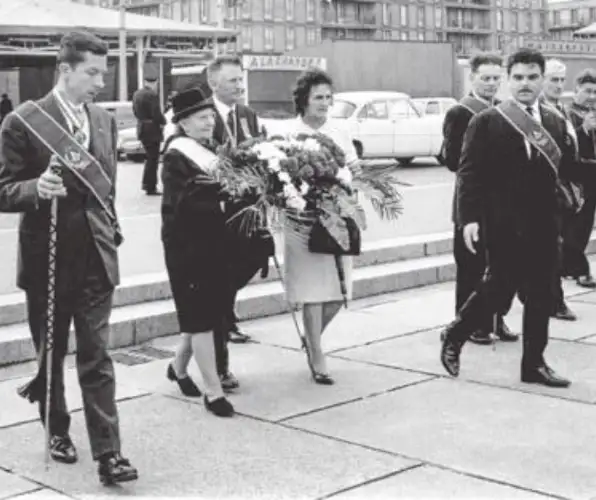
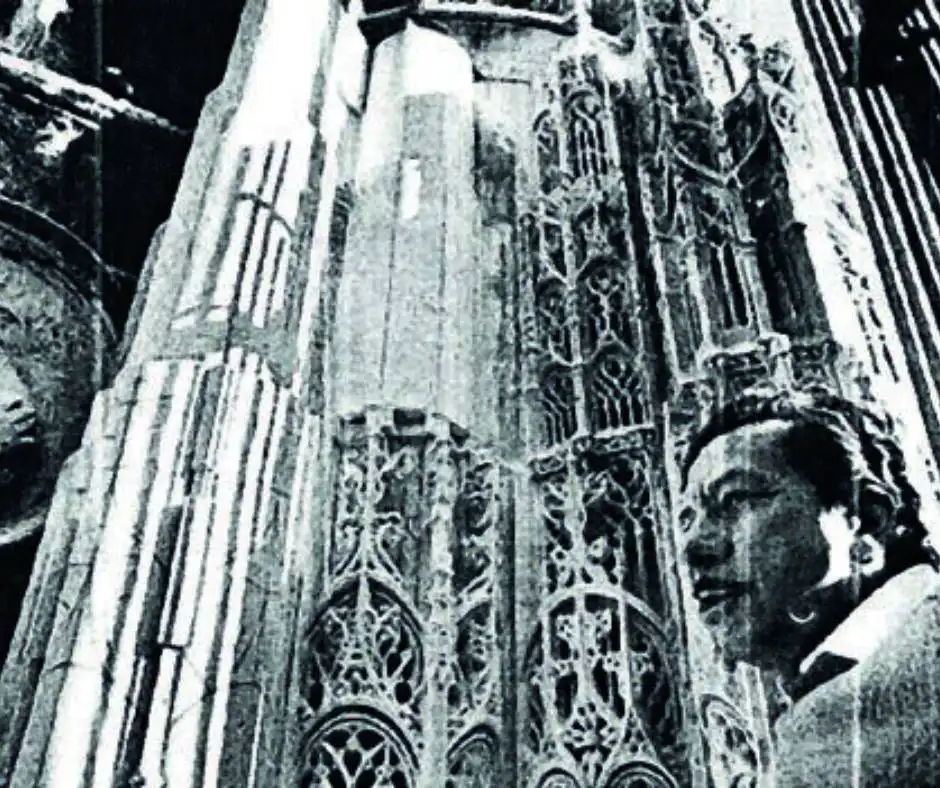
Louis Lepicard has also contributed to the enhancement of the art professions through his writings. Article « History of a Norman cabinet » published in our newspaper in 1976 reflects his attachment to the artisanal heritage of his region.
Readers of our latest review The Companion can discover the detailed analysis of his artistic contributions and his influence on contemporary craftsmanship.
How did a Companion manage to marry so perfectly tradition and innovation in his sculptural work? What unique techniques have made its reputation in the world of historical monuments? The complete article reveals the secrets of this exceptional sculptor.
👉 See you on www.thecompany.com/magazines/


